Floating City
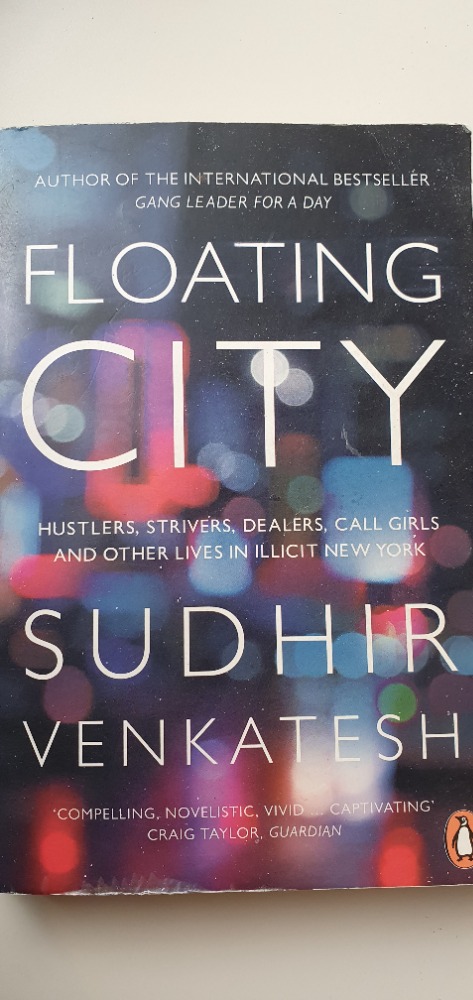
A memoir of sociological investigation, Floating City draws from Venkatesh’s decade of research within the affluent communities of Upper East Side socialites and Midtown businessmen, the drug gangs of Harlem and the sex workers of Brooklyn, the artists of Tribeca and the escort services of Hell’s Kitchen. Venkatesh arrived in the city after his groundbreaking research in Chicago, where crime remained stubbornly local: gangs stuck to their housing projects and criminals stayed on their corners. But in Floating City, Venkatesh discovers that New York’s underground economy unites instead of divides inhabitants: a vast network of “off the books” transactions linking the high and low worlds of the city. Venkatesh shows how dealing in drugs and sex and undocumented labor bridges the conventional divides between rich and poor, unmasking a city knit together by the invisible threads of the underground economy.
Planting himself squarely within this unexplored world, Venkatesh closely follows a dozen New Yorkers locked in the underground economy. Bangledeshi shop clerks like Manjun and Santosh navigate immense networks of illegal goods and services, connecting inquisitive tourists with sex workers and drug dealers. Hispanic prostitutes like Angela and Carla feel secure enough in the new city to leave their old neighborhoods behind in pursuit of bigger money, yet abandon all the safety they had when their clients were known locals. Rich uptown women like Analise and Brittany have the changing city at their beck and call, but both turn to sex work as an easy way to make ends meet without relying on their family fortunes. Venkatesh’s greatest guide is Shine, an African American drug boss based in Harlem who hopes to break into the elusive, upscale cocaine market. Without connections among wealthy whites, Shine undertakes an audacious campaign of self-reinvention, leaving behind the certainties of race and class with all the drive of the greatest entrepreneurs. As Shine explains to Venkatesh, “This is New York! We’re like hummingbirds, man. We go flower to flower. . . . Here, you need to float.”