Company
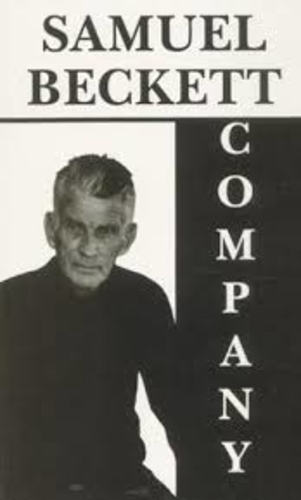
In it, a man lies on his back in the dark, musing about the nature of existence and in particular, his own life. While there are several reminiscences about the narrator's own life (and these seem to have an autobiographical air about them), the main concern seems to be that of the paradox of consciousness itself and the nature of reality. If one is conscious about oneself and comments on the self from within the self, then where is the true location of the self? Is the mind that examines the self the true 'self' or is the 'self' that is the subject of mind the true self. The mind can set itself aside from and examine the body that houses it, the presumed 'soul' contained somewhere within it, or indeed any other manifestation of self that the mind cares to focus on. Company seems to ask: 'what is the locus of the self and how should a person proceed in relation to that amorphous and dynamic entity?' This relates to Plato's paradox of the third man argument - in which a third self (and then another, and another ad infinitum) is required to explain how a man and the form of man are both man, and so on.